

Setting Up a New Dental Office: Complete Supply Essentials Guide
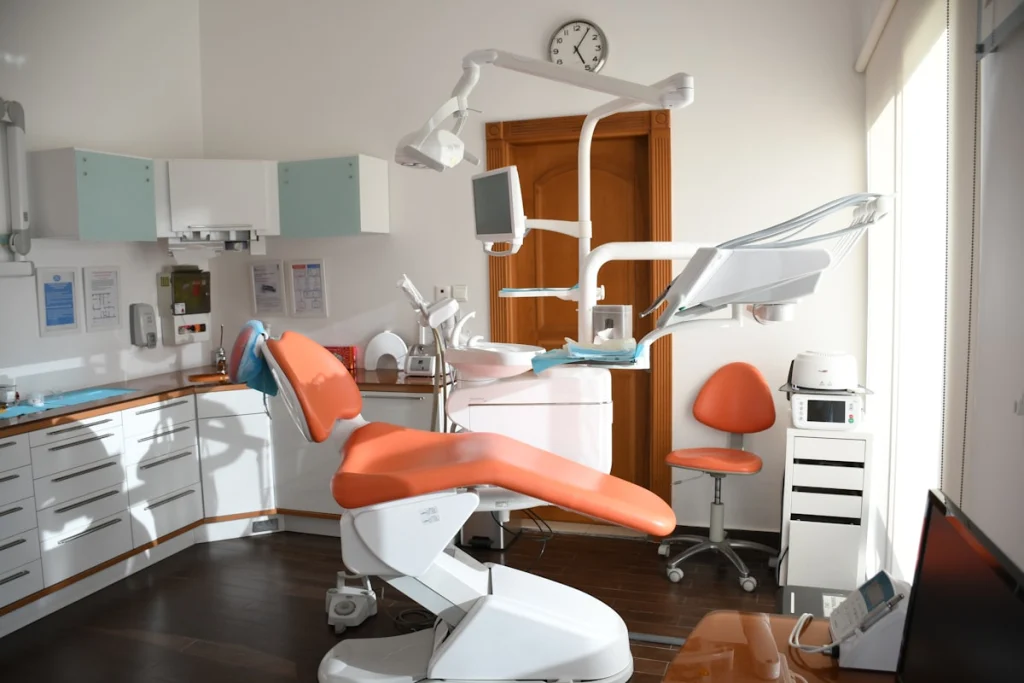
Opening a new dental practice is one of the most exciting and challenging milestones in a dental professional’s career. Among the hundreds of decisions you will make during the startup process, building your initial supply inventory is one of the most consequential. Order too little and you risk running out mid-procedure during your first weeks of patient care. Order too much and you tie up precious startup capital in products that may expire before you use them.
This guide provides a comprehensive, category-by-category overview of the dental supplies you need to stock before seeing your first patient. It is designed for general dentistry practices but covers enough breadth that specialty practices can use it as a foundation and adjust for their specific procedural needs. Whether you are a new graduate opening your first office or an experienced clinician launching an additional location, this checklist will help you build a complete, practical inventory from day one.
Operatory Essentials: What Every Treatment Room Needs
Each operatory in your practice should be independently equipped with the supplies needed for routine procedures. This ensures that your team is never running between rooms to find basic items during patient care.
Examination and Diagnostic Supplies
- Mouth mirrors: Stock both front-surface and standard mirrors. Front-surface mirrors provide a clearer, non-doubled image and are preferred for detailed examination work.
- Explorers: Shepherd’s hook (#23) explorers for caries detection and #17 explorers for checking margins and subgingival calculus.
- Periodontal probes: Standard Williams probes (1-2-3-5-7-8-9-10mm markings) are the most widely used. Consider color-coded probes for easier reading.
- Cotton pliers: Also called college pliers, these are used for placing and retrieving cotton pellets, wedges, and other small items in the oral cavity.
- Articulating paper and holders: Articulating paper or film in multiple thicknesses for occlusal adjustment. Stock both blue (thick) and red (thin) for initial marking and refinement.
Handpieces and Rotary Supplies
Handpieces represent a significant initial investment, but the consumable rotary supplies that go with them are ongoing expenses you need to plan for.
- High-speed burs: Build a core inventory of FG carbide and diamond burs as outlined in our dental burs buying guide. Start with round burs (#1/4 through #6), pear-shaped (#330, #331), tapered fissure (#169, #170, #171), and a set of medium-grit diamond burs for crown preparation.
- Slow-speed burs: RA (latch-type) round burs for caries excavation, straight handpiece acrylic burs for laboratory adjustments, and finishing burs for composite polishing.
- Polishing discs and points: Composite finishing and polishing systems, including disc systems, rubber polishing points, and diamond polishing paste.
- Prophy angles and cups: Disposable prophy angles for hygiene appointments. Order enough for your projected patient volume in the first month.
Restorative Materials: Building Your Core Inventory
Restorative materials are where clinical preference meets budget reality. You do not need every product on the market, but you do need a thoughtfully selected set that covers the procedures you will perform most frequently.
Composite System
- Universal composite: Select one high-quality nanohybrid or nanofill composite as your primary material. Stock shades A1, A2, A3, A3.5, and B1 as a starting palette. These five shades will cover the majority of your patients. You can expand your shade range as you identify specific needs.
- Flowable composite: One or two shades of flowable composite for liners, small restorations, and repair procedures.
- Bulk-fill composite: If you plan to use a bulk-fill workflow for posterior restorations, stock one shade (typically Universal or A2) to start.
- Bonding system: A universal adhesive that can be used in total-etch, self-etch, or selective-etch mode provides maximum flexibility while simplifying your inventory.
- Etchant: 37% phosphoric acid gel in syringe delivery for enamel etching. Several syringes will last a new practice several weeks.
Browse the complete selection at Pixel Dental Supply’s composites and bonding section to build your initial restorative inventory.
Cement and Luting Agents
- Permanent cement: A resin-modified glass ionomer cement is a versatile choice for cementing crowns, bridges, inlays, and onlays. One or two kits will cover your initial needs.
- Temporary cement: For provisional restorations during the lab fabrication period. Stock both eugenol-containing and non-eugenol varieties, as eugenol can interfere with the setting of some permanent resin cements.
- Resin cement: For bonding all-ceramic restorations, veneers, and fiber posts. A dual-cure universal resin cement kit provides the broadest utility.
Impression Materials
- Alginate: For study models, diagnostic casts, sports guard impressions, and whitening tray fabrication. Alginate is inexpensive and covers a wide range of non-precision impression needs.
- VPS (vinyl polysiloxane) impression material: For crown and bridge impressions, the standard is a two-viscosity VPS system (heavy body and light body or wash material). Auto-mix cartridges simplify dispensing and reduce waste.
- Impression trays: Disposable plastic trays in assorted sizes. Stock at least three sizes each for upper and lower arches.
- Bite registration material: A fast-setting bite registration material for recording occlusal relationships.
Temporary Restoration Materials
- Bis-acryl provisional material: Auto-mix cartridges for fabricating temporary crowns and bridges. Stock at least one shade (typically A2 or A3).
- Temporary filling material: For interim restorations between appointments, such as between endodontic visits.
- Temporary crown forms: Pre-formed polycarbonate or celluloid crown forms in assorted sizes for anterior and posterior teeth.
Disposable Supplies: Stocking for the First Month
Disposable supplies will be your largest recurring expense by volume. For a new practice, estimate your patient volume for the first month and order accordingly, adding a 20 percent buffer for your initial stock.
Infection Control Essentials
- Examination gloves: Nitrile gloves in all sizes your team needs. Plan for 4-6 gloves per patient visit (including glove changes during procedures).
- Face masks: ASTM Level 2 masks for routine procedures and ASTM Level 3 for surgical and high-aerosol procedures.
- Patient bibs: Three-ply bibs with polyethylene backing. One per patient per visit, plus extras for messy procedures.
- Surface barriers: Headrest covers, light handle covers, syringe sleeves, curing light sleeves, and bracket table covers.
- Sterilization pouches: Self-sealing pouches in multiple sizes for autoclaving instruments. You will use a surprising number of these daily.
- Disinfectant wipes and sprays: EPA-registered surface disinfectants for operatory turnover between patients.
The disposables section at Pixel Dental Supply provides everything you need to stock your new practice’s infection control supplies in a single order.
Suction and Isolation
- Saliva ejectors: Standard saliva ejectors for routine moisture control.
- HVE tips: High-volume evacuator tips for procedures using high-speed handpieces or ultrasonic scalers.
- Cotton rolls: Assorted sizes for moisture control. These are consumed in high volume and should be generously stocked.
- Gauze sponges: 2×2 and 4×4 gauze for hemostasis and debris management.
- Dry angles: Triangular absorbent pads for isolating the parotid duct during maxillary posterior procedures.
- Rubber dam kits: Sheets, frames, clamps, and punches for isolation during endodontic and restorative procedures.
Applicators and Mixing Supplies
- Micro-applicator brushes: Fine and regular sizes for applying bonding agents, etchants, and desensitizers.
- Mixing tips: Auto-mix tips for impression materials, provisional materials, and cements. These are easy to forget when ordering and frustrating to lack when needed.
- Mixing pads: Paper mixing pads for cements and other materials that require hand mixing.
- Dappen dishes: Disposable or reusable dishes for holding small quantities of liquids during procedures.
Preventive and Hygiene Supplies
If your practice includes a hygiene program from day one, you will need a complete set of preventive supplies.
- Prophy paste: Multiple grits (coarse, medium, fine) in individual-dose cups or rings for infection control compliance.
- Fluoride products: Fluoride varnish (unit-dose) is the current standard for in-office fluoride application. Stock enough for your projected hygiene patient volume.
- Sealant materials: Light-cured pit and fissure sealant with etchant and applicators. Sealant placement is common in practices that see pediatric and adolescent patients.
- Ultrasonic scaler tips: Universal and specialty tips for your ultrasonic scaler unit. Each hygienist will need a set.
- Hand scaling instruments: A full set of scalers and curettes for each hygienist. Gracey curettes (1/2, 7/8, 11/12, 13/14) and universal scalers (Columbia 13/14, Jacquette) form a standard kit.
- Patient education materials: Toothbrushes, floss, interdental brushes, and printed instructions for post-procedure home care.
Endodontic Supplies
Even if you plan to refer most endodontic cases, you should be prepared to perform emergency pulpotomies and straightforward single-canal root canals.
- Endodontic files: Hand files in sizes 06-40 for initial negotiation and smaller canals. If you plan to use rotary files, invest in a system you have trained with and stock the appropriate file sequences.
- Irrigation supplies: Sodium hypochlorite solution (or pre-diluted endodontic irrigant), irrigation syringes, and side-vented irrigation needles in appropriate gauges.
- Paper points: Absorbent points sized to match your file system for drying canals before obturation.
- Gutta percha points: Standard and accessory sizes for obturation. Match your purchase to the file system you are using.
- Endodontic sealer: A bioceramic or resin-based sealer for root canal obturation.
- Endodontic ruler and stops: For measuring working length and setting file stops. These small items are essential for accurate instrumentation.
Oral Surgery Supplies
Basic extraction and minor surgical supplies should be available even in a primarily restorative practice.
- Local anesthetic: Lidocaine 2% with 1:100,000 epinephrine is the most versatile anesthetic for general practice. Stock a secondary agent (such as articaine 4% with 1:100,000 epinephrine or mepivacaine 3% plain) for patients who require alternatives.
- Anesthetic needles: 27-gauge short and long needles for standard injections. 30-gauge short needles for infiltration and supplemental injections.
- Anesthetic syringes: Aspirating syringes (reusable, sterilizable). Plan for at least two per operatory.
- Extraction forceps: A basic set including upper universal (#150), lower universal (#151), upper molar (#53R, #53L or #210H), lower molar (#17), and upper anterior (#1). Expand as your surgical caseload requires.
- Elevators: Straight elevators (Coupland #1, #2, #3 or equivalent) and curved elevators (#301, #302) for luxation and root tip retrieval.
- Suture materials: Absorbable and non-absorbable sutures with appropriate needles. Chromic gut 4-0 and silk 3-0 are common starting selections.
- Hemostatic agents: Gel foam, collagen plugs, or oxidized cellulose for managing post-extraction bleeding.
- Post-operative supply kits: Gauze packs, printed post-op instruction sheets, and small bags for sending patients home with aftercare supplies.
Imaging and Diagnostic Supplies
Your imaging equipment will likely be part of your major equipment purchase, but the consumable supplies need to be stocked separately.
- Digital sensor barriers: Disposable plastic sleeves for intraoral digital sensors. These are used for every single exposure and are consumed in high volume.
- Phosphor plate barriers: If you use phosphor plate imaging rather than digital sensors, stock the appropriate protective barriers for each plate size.
- Positioning devices: Film/sensor holders (such as Rinn XCP or equivalent) for standardized periapical and bitewing radiography. Stock enough sets for each operatory.
- Lead aprons and thyroid collars: While not disposable, these are essential equipment that should be available and inspected before seeing patients.
Sterilization and Infection Control Infrastructure
Beyond the disposable barriers and PPE covered above, your sterilization center needs its own set of supplies.
- Sterilization pouches: Multiple sizes to accommodate instruments ranging from single burs to full cassettes.
- Biological indicators (spore tests): Required for weekly autoclave verification. Many practices use a mail-in spore testing service for independent validation.
- Chemical indicators: Internal and external chemical indicators verify that sterilization conditions have been met for each load.
- Enzymatic cleaners: Pre-soak solutions and ultrasonic cleaning solutions for instrument processing.
- Instrument lubricant: Handpiece lubricant and spray for maintaining high-speed and slow-speed handpieces after sterilization.
- Sharps containers: Puncture-resistant containers for needles, blades, and other sharps. Mount one in each operatory and the sterilization area.
- Biohazard waste bags: Red bags for regulated medical waste disposal.
Administrative and Patient-Facing Supplies
Do not forget the non-clinical supplies that keep your front office running and your patients comfortable.
- Patient forms: Health history forms, consent forms, HIPAA acknowledgment forms, and financial agreement forms. Digital forms are increasingly standard, but keep printed versions available as backup.
- Appointment cards and business cards: Professional printed materials reinforce your practice identity.
- Prescription pads: Tamper-resistant prescription pads compliant with your state’s regulations.
- Recall and follow-up supplies: Whether you use postcards, emails, or text messages, have your recall system configured and stocked before your first patient.
- Waiting room supplies: Tissues, hand sanitizer, informational brochures about your services, and a comfortable environment that reflects your practice brand.
Budgeting Your Initial Supply Order
For a new general dentistry practice, initial supply costs typically range from $10,000 to $25,000 depending on the scope of services you plan to offer from day one and the volume of patients you expect to see in the first month. Here are some guidelines for managing this investment wisely.
- Prioritize essentials: Focus your initial order on the supplies needed for the procedures you will perform most frequently in the first 30 days. You can expand your inventory as patient volume grows.
- Avoid overbuying perishables: Composites, bonding agents, impression materials, and anesthetics all have expiration dates. Purchase enough for your first 60 to 90 days and reorder as needed.
- Stock generously on consumables: Gloves, masks, bibs, and cotton products are inexpensive individually and frustrating to run out of. Err on the side of overstocking these items.
- Build relationships with suppliers: Your initial supply order is an opportunity to establish a relationship with a supplier who will support your practice long-term. Choose a partner who offers good pricing, reliable shipping, and responsive customer service.
Your Supply Partner From Day One
Setting up a new dental office is a monumental undertaking, and getting your supply inventory right from the start sets the foundation for smooth operations and excellent patient care. The checklist in this guide covers the essentials, but every practice is unique. As you grow, you will refine your inventory based on your patient base, your clinical preferences, and the procedures that define your practice.
Pixel Dental Supply is here to support your new practice with competitive pricing across every supply category. From rotary instruments and restorative materials to disposable supplies and infection control products, you can build your entire initial inventory from a single trusted source. Visit the shop to explore the full catalog and start stocking your new practice with confidence.
Frequently Asked Questions
How much should I budget for dental supplies when opening a new practice?
Most new general dentistry practices spend between $10,000 and $25,000 on their initial supply inventory, separate from major equipment purchases like chairs, handpieces, and imaging systems. The exact amount depends on the number of operatories you are outfitting, the range of procedures you plan to offer immediately, and the patient volume you expect during your first month. A practical approach is to stock one month of disposable supplies, a core set of restorative materials covering your most common procedures, and basic surgical and endodontic supplies for emergencies. You can expand your inventory in targeted increments as your patient base grows and your procedural mix becomes clearer.
Should I buy top-of-the-line supplies for everything when starting out?
No. A smarter approach is to invest in premium products where quality directly affects clinical outcomes, such as composite materials, bonding agents, and endodontic files, while using quality alternative brands for commodity items like gloves, bibs, cotton rolls, and barriers. This balanced strategy keeps your startup costs manageable while ensuring you have the clinical materials needed to deliver excellent patient care. As your practice grows and cash flow stabilizes, you can evaluate premium options for additional product categories based on your clinical experience and patient feedback.
How do I decide how many operatories to fully stock on day one?
Fully stock every operatory that will be active during your first month of patient care. If you have built out four operatories but plan to use only two initially, you can partially stock the remaining rooms with examination basics and add full procedure supplies as patient volume warrants. However, each active treatment room needs a complete set of instruments, consumable supplies, and small equipment to function independently. Having to shuttle supplies between rooms slows down patient flow and creates opportunities for infection control lapses. The upfront cost of fully stocking each room is repaid many times over in operational efficiency.
What dental supplies do I most commonly run out of in the first few months?
The items that most frequently catch new practice owners off guard are the small consumables that are used in high volume but are individually inexpensive and easy to overlook when ordering. The most common stockout items include mixing tips for impression materials and cements, micro-applicator brushes, anesthetic cartridges and needles, sterilization pouches, surface barrier covers, and specific glove sizes. To prevent stockouts, assign a team member to monitor inventory levels weekly during your first three months and establish reorder points for every consumable item. Once you have three months of usage data, you can set accurate par levels and transition to a more relaxed reordering schedule.